Plot Structure and Outlining Techniques for Writers

Updated: May 5
Crafting a compelling story starts with a strong plot structure. Writers often struggle to organize their ideas clearly, which can make storytelling feel overwhelming. Understanding different ways to outline your plot helps you build a story that flows naturally and keeps readers engaged. This guide breaks down two popular methods—the three-act structure and the Save the Cat method—to help you plan your story with confidence.

How to Use the Three-Act Structure to Outline Your Plot
The three-act structure is a classic storytelling framework used in novels, films, and plays. It divides the story into three parts: Setup, Confrontation, and Resolution. Each act serves a clear purpose and guides the story’s progression.
Act 1: Setup
Purpose: Introduce characters, setting, and the main conflict.
Key Elements:
- Opening Scene: Establish the world and tone.
- Inciting Incident: An event that disrupts the protagonist’s normal life and sets the story in motion.
- First Plot Point: A turning point that forces the protagonist to take action.
Example: In a mystery novel, the inciting incident might be the discovery of a crime, pushing the detective to investigate.
Act 2: Confrontation
Purpose: Develop the conflict and deepen character challenges.
Key Elements:
- Rising Action: Obstacles and complications that increase tension.
- Midpoint: A significant event that changes the story’s direction or raises the stakes.
- Second Plot Point: A crisis or revelation that leads to the final act.
Example: The detective faces false leads and personal doubts, but uncovers a crucial clue at the midpoint.
Act 3: Resolution
Purpose: Resolve the conflict and wrap up loose ends.
Key Elements:
- Climax: The story’s most intense moment where the protagonist confronts the main challenge.
- Falling Action: Consequences of the climax unfold.
- Denouement: The story’s conclusion, showing how characters have changed.
Example: The detective solves the case, confronts the culprit, and reflects on the journey.
This structure helps writers maintain a clear direction and balance pacing. It works well for many genres because it mirrors natural story progression.
How to Outline Your Plot Using the Save the Cat Method
The Save the Cat method breaks down a story into 15 specific beats or moments. It’s named after a screenwriting tip where the hero does something likable early on to gain audience sympathy. This method offers a detailed roadmap for pacing and emotional impact.
The 15 Beats of Save the Cat
Opening Image: A snapshot of the protagonist’s world before the story begins.
Theme Stated: A hint at the story’s main message or question.
Set-Up: Introduce characters, setting, and stakes.
Catalyst: The event that shakes up the protagonist’s life.
Debate: The protagonist struggles with the decision to act.
Break into Two: The protagonist commits to the journey.
B Story: A subplot, often a relationship, that supports the main story.
Fun and Games: The heart of the story where the premise is explored.
Midpoint: A major event that raises stakes or changes direction.
10. Bad Guys Close In: Obstacles intensify, and the protagonist faces pressure.
11. All Is Lost: The lowest point for the protagonist.
12. Dark Night of the Soul: Reflection and doubt before the final push.
13. Break into Three: The protagonist finds a solution or new resolve.
14. Finale: The climax where the protagonist faces the main conflict.
15. Final Image: A snapshot showing how the protagonist or world has changed.
How to Use This Beat Sheet
Use the beats as checkpoints to ensure your story has emotional highs and lows.
Each beat should connect logically to the next, creating a smooth flow.
The method works well for writers who want a detailed plan but still room for creativity.
Example: In a romance story, the B Story might be a friendship that supports the protagonist’s growth, while the Fun and Games section shows the ups and downs of the relationship.
Other Story Structures
Tips for Choosing the Right Plot Structure for Your Story
Consider your genre: Some genres fit better with certain structures. For example, thrillers often benefit from the three-act structure’s clear tension build.
Think about your writing style: If you prefer detailed planning, Save the Cat’s beat sheet offers a step-by-step guide. If you like flexibility, the three-act structure provides a broad framework.
Mix and match: You can combine elements from both methods. Use the three-act structure for overall flow and Save the Cat beats for key moments.
Focus on your story’s needs: The best structure supports your story’s themes and characters, not the other way around.
How to Start Outlining Your Plot Today
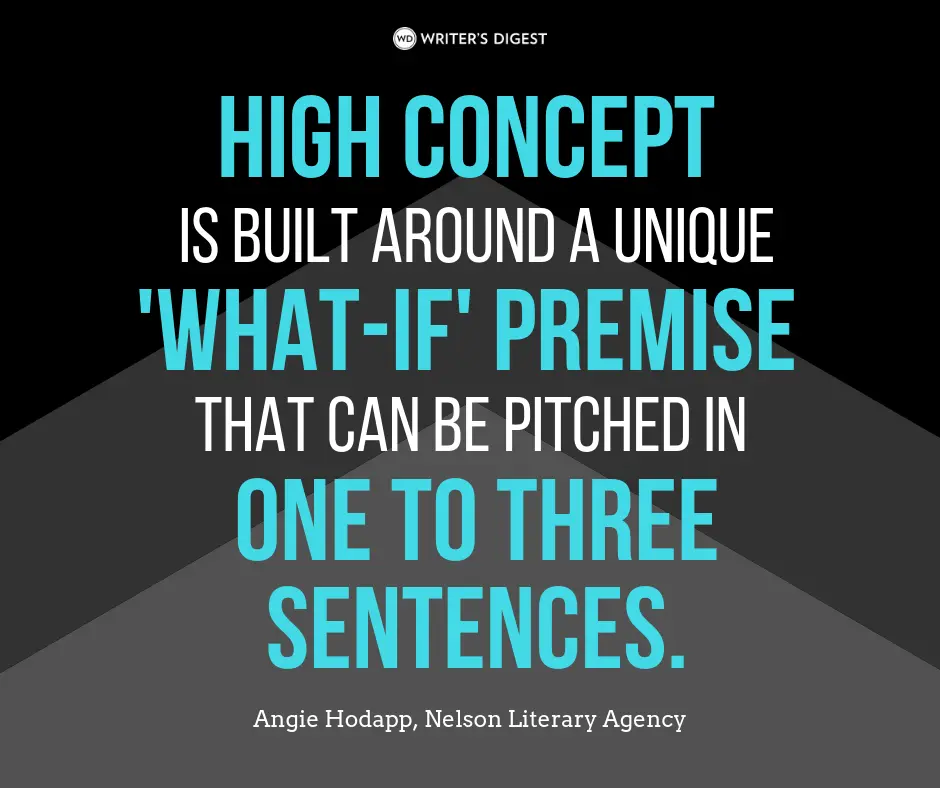
Write a one-sentence summary: Capture your story’s core idea.
Choose a structure: Three-act structure, Save the Cat, or something else.
Fill in key points: For three-act, identify your inciting incident, midpoint, and climax. For Save the Cat, list the 15 beats with brief descriptions.
Expand each point: Add scenes, character actions, and conflicts.
Review and adjust: Make sure the story flows logically and keeps tension.
Plotting your story with a clear structure makes writing easier and improves your story’s impact. Whether you use the three-act structure, Save the Cat, or something else, outlining helps you stay focused and deliver a satisfying experience for readers. Start outlining today and watch your story take shape.


Comments